Perishable Cold Chain Logistics: US to Xiamen Live Lobster Air Freight & Cold Chain Solution
Project Overview
- Cargo: Live US Lobsters (Perishable Seafood / PER)
- Routing: United States (US) to Xiamen, China (XMN)
- Core Requirements: Precision temperature control (15–25°C) & sub-30-hour airport-to-airport transit.
- Result: 100% on-time delivery with maximum survival rate.
The Challenge: A Race Against Time and Temperature
Transporting live seafood across the globe is one of the most demanding tasks in logistics. For this US-to-Xiamen mission, BSI faced three critical hurdles:
- Strict Viability Window: Live lobsters require a sub-30-hour transit limit to guarantee survival. Any tarmac delay is fatal.
- Complex Handover & ULD Build-up: The assembly of Unit Load Devices (ULDs) and loading procedures must be highly efficient to minimize exposure to ambient temperatures.
- Schedule Volatility: Unpredictable flight adjustments require agile, real-time ground control at both the origin and destination airports.
BSI's Targeted Solutions
Instead of standard procedures, BSI implemented a customized Perishable Logistics Protocol to secure the cold chain end-to-end:
- Solution 1: Time-Definite Strategy & Late Lodge-in To maximize the lobsters' lifespan in transit, we negotiated directly with the airline to secure a delayed cut-off time (Late Lodge-in), gaining a crucial 2-3 hours. Simultaneously, our customs team pre-processed all clearance documents, achieving zero-wait terminal handover.
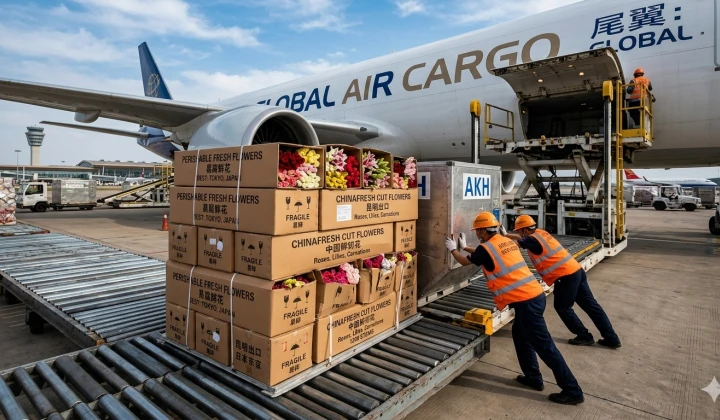
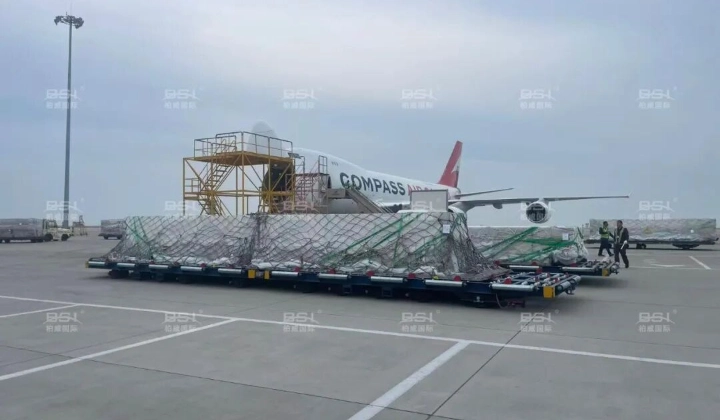
- Solution 2: Precision Palletizing & Ground Support We deployed pre-allocated ground resources at the origin airport. Our operations team tightly monitored the palletizing (ULD build-up) and security check processes, drastically reducing tarmac exposure time before the high-priority flight departure.
- Solution 3: 24/7 Node Tracking & Pre-Arrival Clearance BSI's global control tower provided real-time flight monitoring. We issued pre-arrival notices to the Xiamen destination team and customs brokers, ensuring immediate offloading and swift clearance the moment the aircraft touched down.
The Outcome
Through BSI's seamless border-to-border coordination, the live lobsters arrived at Xiamen Airport strictly within the 30-hour window, maintaining a stable 15–25°C environment. The client's expectations for both timeliness and survival rate were fully exceeded.
Why Choose BSI for Perishable Cold Chain Logistics?
- Secured Charter & Block Space: Priority uplift for time-sensitive and perishable goods (PER).
- Customs & Compliance Expertise: Tailored clearance solutions for live animals and temperature-controlled cargo.
- End-to-End Visibility: 24/7 real-time milestone tracking from origin to destination.
- Global Synergized Network: Seamless cross-border handover driven by our expert local teams.
Frequently Asked Questions (FAQ): Live Seafood Air Freight
Q1: What documents are required for importing live seafood (like lobsters) into China via air freight?
A: Seamless customs clearance is critical for perishable goods. For importing live lobsters into airports like Xiamen (XMN), the mandatory documents typically include: a Certificate of Origin, a valid Health/Sanitary Certificate from the exporting country, a pre-approved China Import Permit for live aquatic products, along with the standard Air Waybill (AWB), Commercial Invoice, and Packing List. BSI’s customs team pre-verifies all paperwork before the flight departs to guarantee zero-delay clearance upon arrival.
Q2: How does BSI maintain the 15–25°C temperature if there is an unexpected flight delay or schedule volatility?
A: Flight delays are the biggest threat to live cargo. BSI mitigates this risk through proactive ground control. If a departure is delayed, our 24/7 control tower instantly coordinates with origin airport terminal handlers to keep the cargo in temperature-controlled cool rooms. We execute a "Late Lodge-in" strategy, transferring the ULDs to the tarmac only at the last possible moment, strictly minimizing exposure to ambient temperatures.
Q3: What are the strict packaging and ULD build-up requirements to maximize the survival rate of live lobsters?
A: Live lobsters must be packed in insulated Styrofoam boxes (EPS) equipped with frozen gel packs or dry ice (wet ice is generally restricted by airlines to prevent leakage). Absorbent pads and proper ventilation holes are essential. During the ULD build-up process, BSI’s operations team ensures optimal stacking density and spacing on the aircraft pallet, allowing for proper airflow and maintaining the necessary micro-climate throughout the flight.
(Ready to safeguard your perishable cargo?
Related Resources