Sea Freight Case Study: Heavy Equipment Shipping from China to Indonesia
Project Overview
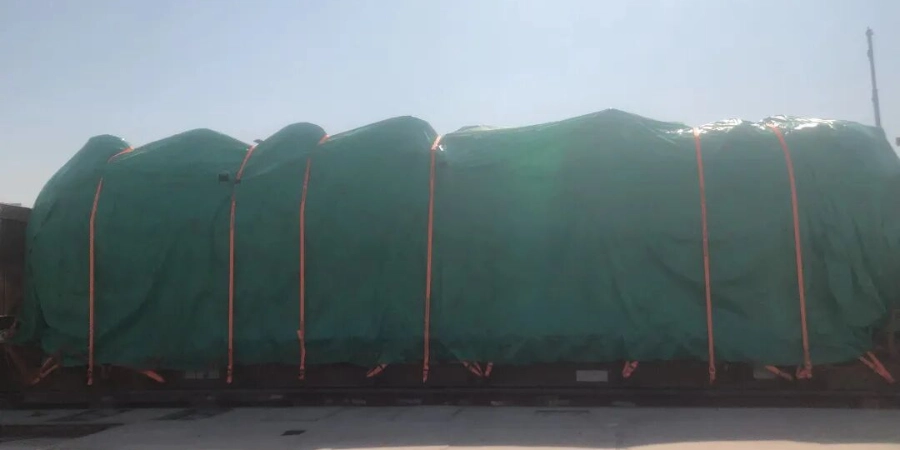
BSI Global Logistics successfully managed the sea freight shipment of a complete set of ore processing equipment from China to Surabaya, Indonesia.
This project involved oversized and heavy machinery along with numerous components, requiring advanced expertise in container planning, inland transportation, and customs compliance.
Key shipment details:
- Initial cargo volume: 100+ items
- Final declared cargo: 81 items
- Heaviest single unit: Over 25 tons
- Pickup locations: Multiple cities across China
- Shipping mode: Full container load (FCL)
👉 For more general shipping guidance, see our China to Indonesia Shipping Guide:
https://www.bsifreight.com/shipping-from-china-to-indonesia
Key Challenges
1. Complex container planning:
The cargo included heavy and irregularly shaped equipment, requiring precise container selection and safe loading strategies.
2. Multi-location cargo consolidation
Equipment was stored in different cities, requiring coordinated inland transport to a central warehouse with heavy-lift capabilities.
3. Strict data verification requirements
Each item needed to be weighed, measured, and documented for client confirmation.
4. Customs compliance complexity
Due to the variety of equipment, the client lacked clarity on HS codes and declaration elements, increasing clearance risks.
BSI Global Logistics Solutions
1. Customized container loading plan
After detailed measurement and verification, BSI optimized the loading plan through multiple iterations.
Final container allocation:
- 2 × 40’ Flat Rack
- 2 × 40’ High Cube
- 1 × 20’ GP
2. Cross-regional pickup and centralized loading
BSI coordinated professional trucking teams to collect cargo from multiple cities and consolidate it at a warehouse equipped with heavy-lift cranes.
3. Standardized inspection and data management
Each item was:
- Weighed
- Measured
- Photographed
Ensuring full shipment accuracy before export.
4. Customs declaration and compliance support
BSI independently handled:
- HS code classification
- Declaration documentation
- Multi-round compliance review
Result:
- ✅ No inspections
- ✅ No delays
- ✅ Smooth customs clearance
Project Results
- Optimized container usage: Completed shipment using 5 containers
- Safe transportation: Zero cargo damage
- Smooth customs clearance: No inspection or delays
- End-to-end control: Fully managed logistics process
Shipping Heavy Equipment from China to Indonesia: Key Considerations
1. Choosing the right container type
Heavy equipment often requires flat rack or open top containers to ensure safe transport.
2. Planning inland transportation
Efficient coordination is essential when cargo is located across multiple cities.
3. Ensuring accurate cargo data
Incorrect dimensions or weight can lead to delays, extra costs, or loading issues.
4. Managing customs compliance
Proper HS code classification and documentation are critical to avoid clearance risks.
5. Working with an experienced freight forwarder
An experienced logistics partner ensures smooth coordination, cost control, and risk reduction.
Frequently Asked Questions (FAQ)
1. How much does it cost to ship heavy equipment from China to Indonesia?
Costs depend on cargo size, weight, container type, and shipping route. Flat rack and special containers typically cost more than standard containers.
👉 For a detailed breakdown, visit:
https://www.bsifreight.com/shipping-from-china-to-indonesia
2. What is the transit time for sea freight from China to Indonesia?
Transit time usually ranges from 7–18 days, depending on the port of departure, shipping schedule, and customs clearance efficiency.
3. What container types are used for heavy equipment shipping?
Common container types include:
- Flat Rack (FR) for oversized cargo
- Open Top (OT) for tall equipment
- High Cube (HC) for larger volume cargo
4. What documents are required for exporting heavy machinery?
Typical documents include:
- Commercial invoice
- Packing list
- Bill of lading
- HS code classification details
- Export customs declaration
5. How to avoid customs delays when shipping project cargo?
To minimize risks:
- Ensure accurate cargo data
- Use correct HS codes
- Work with experienced freight forwarders
- Prepare complete documentation in advance
Why Choose BSI Global Logistics
1. Cost-effective solutions
Balancing cost and efficiency for complex shipments
2. Experienced team
Specialized in heavy equipment and project cargo
3. Stable carrier resources
Reliable vessel space and competitive pricing
4. Strong compliance expertise
Ensuring smooth customs clearance
5. End-to-end logistics solutions
Full control from planning to delivery
Related Resources