Temperature-Controlled Air Freight for IVD Reagents from China to Indonesia
Shipping in vitro diagnostic (IVD) reagents internationally requires more than fast transportation. Temperature stability, appropriate packaging, accurate labeling, and coordinated cargo handling are essential to protecting product integrity throughout the logistics process.
As healthcare infrastructure and clinical diagnostic demand continue to develop across Southeast Asia, Indonesia represents an important market for medical device and IVD manufacturers. However, delivering temperature-sensitive diagnostic products across borders presents significant logistical challenges.
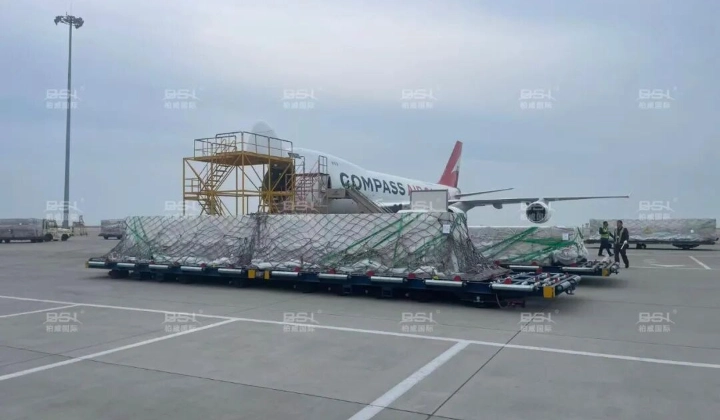
BSI Global Logistics recently completed a temperature-controlled air freight project for a Chinese IVD reagent manufacturer, transporting products requiring storage at 2–8°C from Shenzhen, China, to Jakarta, Indonesia. With experience in international air freight, BSI supports businesses with cross-border cargo transportation solutions tailored to their shipment requirements.
Through standardized cargo inspections, specialized labeling, and coordinated airport cold storage arrangements, BSI supported the shipment's temperature-sensitive transportation requirements.
Shipment Overview
| Shipment Details | Description |
|---|---|
| Cargo Type | In Vitro Diagnostic (IVD) Reagents |
| Origin | Shenzhen, China |
| Destination | Jakarta, Indonesia (CGK) |
| Transportation Mode | International Air Freight |
| Temperature Requirement | 2–8°C |
| Service Scope | Airport-to-Airport Delivery, with Origin Handling |
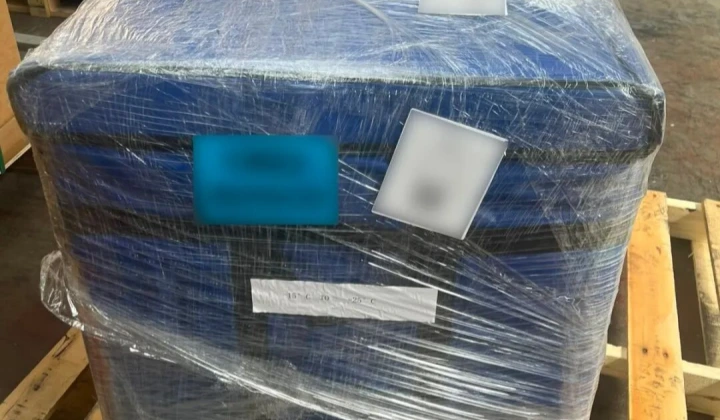
| Packaging | Insulated foam boxes, ice packs, protective bags, inner cartons, and outer cartons |
For businesses transporting diagnostic reagents and other medical products, reliable healthcare logistics solutions are essential to maintaining cargo integrity and meeting specialized transportation requirements.
Key Logistics Challenges
Unlike general cargo, temperature-sensitive IVD reagents require additional precautions during storage, handling, and international transportation.
For this shipment, the customer identified two critical logistics requirements.
1. Minimizing Temperature Excursion Risks
The IVD reagents required storage within a temperature range of 2–8°C. Prolonged exposure to ambient temperatures could compromise the effectiveness of the thermal packaging and potentially affect product stability.
International air freight was selected to minimize transportation time and reduce the risks associated with extended transit and handling. Combined with appropriate temperature-controlled logistics arrangements, this approach helps protect temperature-sensitive products throughout the transportation process.
2. Ensuring Accurate Cargo Labeling and Handling
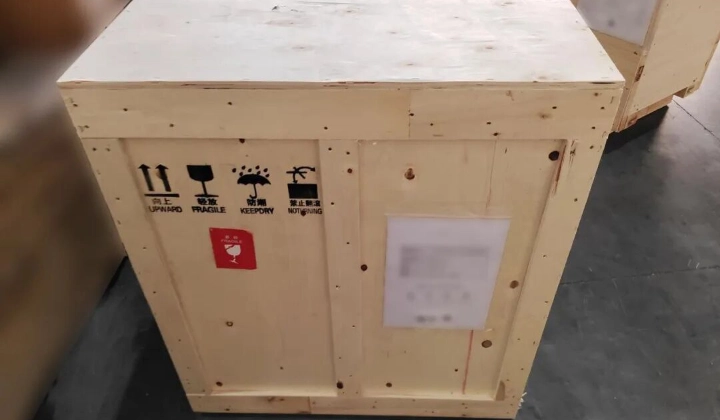
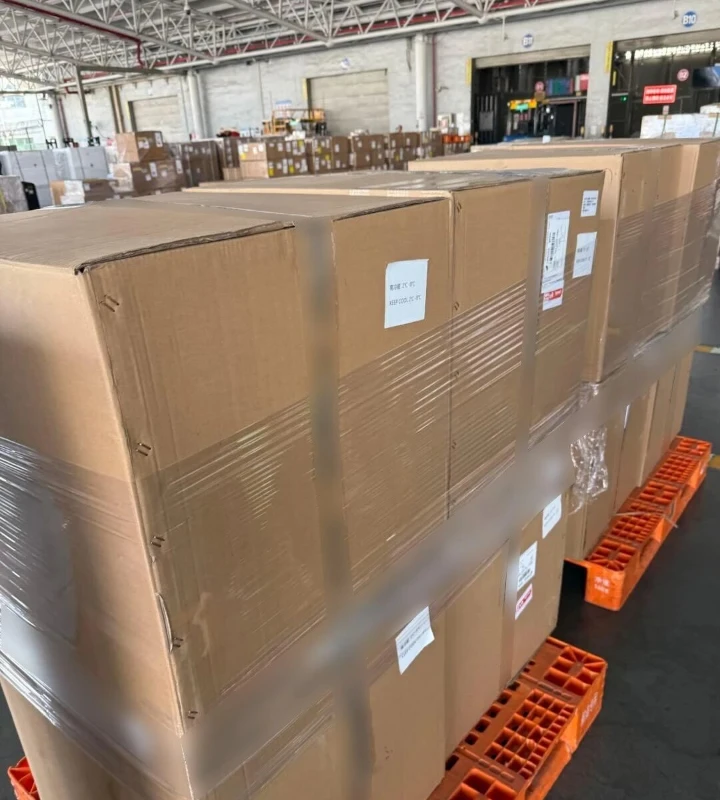
Each outer carton required clearly visible 2–8°C temperature labels and upright handling labels.
These markings were essential for communicating the cargo's special handling requirements to warehouse personnel, ground handling teams, and airline operators.
Incorrect handling or cargo inversion could increase the risk of leakage, packaging damage, and compromised product integrity.
How BSI Managed the Temperature-Controlled Shipment
To address these challenges, BSI Global Logistics established a coordinated origin handling process, covering warehouse inspection, cargo labeling, and transfer to airport cold storage facilities.
Step 1: Pre-Shipment Warehouse Inspection
Upon arrival at BSI's warehouse near Shenzhen Airport, the cargo underwent a detailed external packaging inspection.
The inspection process included:
- Recording and verifying basic shipment information.
- Checking outer cartons for visible damage.
- Identifying signs of moisture or compromised packaging.
- Reviewing the external condition of the temperature-sensitive cargo before airport transfer.
This process helped identify potential packaging-related risks before the shipment entered the international air freight network.
Step 2: Specialized Cargo Labeling
In addition to standard air waybill labels, BSI applied the required temperature-sensitive and handling labels to individual cartons where necessary.
These included:
- 2–8°C temperature requirement labels.
- This Way Up handling labels.
- Standard air freight identification labels.
Clear and consistent labeling helped communicate the shipment's handling requirements across multiple operational stages, reducing the risk of incorrect cargo handling.
Step 3: Coordinated Transfer to Airport Cold Storage
Following warehouse inspection and labeling, the shipment was transferred to a designated cold storage facility at Shenzhen Airport.
By coordinating warehouse operations with airport cargo acceptance, BSI minimized unnecessary exposure to ambient temperatures and reduced the risk of premature coolant depletion.
The coordinated process supported temperature-sensitive cargo handling during the pre-departure stage.
Why Shenzhen Was Selected as the Departure Gateway
Selecting the right departure airport is an important consideration when transporting temperature-sensitive medical products.
For this project, Shenzhen offered three operational advantages.
1. Established Airport Cold Storage Infrastructure
Shenzhen Airport provides cold storage infrastructure that supports the temporary storage and handling of temperature-sensitive air cargo.
Access to these facilities helped streamline cargo acceptance and reduce unnecessary intermediate transfers.
2. Airport-Proximity Warehouse Operations
BSI's warehouse near Shenzhen Airport enabled cargo inspection, labeling, and airport transfer to be completed efficiently.
The shorter distance between the warehouse and airport cargo terminal helped reduce unnecessary handling time and exposure to uncontrolled environments.
3. Proximity to Medical Product Manufacturing Sources
Shenzhen's proximity to relevant manufacturing clusters helped shorten the domestic transportation leg.
Reducing origin-side transportation and handling time provided additional flexibility for the shipment's temperature-sensitive international journey.For businesses shipping commercial cargo from China to Indonesia, BSI also provides tailored shipping solutions from China to Indonesia, covering different transportation requirements and cargo types.
Project Outcomes
The IVD reagent shipment was successfully delivered to Jakarta under the agreed airport delivery service scope.
Through coordinated logistics operations, BSI achieved the following project outcomes:
- Completed the international air freight shipment from Shenzhen to Jakarta.
- Implemented standardized external packaging inspections.
- Applied clear temperature and upright handling labels.
- Coordinated airport cold storage arrangements.
- Reduced avoidable exposure to ambient temperatures during origin handling.
- Established a repeatable operational approach for similar temperature-sensitive healthcare shipments.
The project demonstrates how careful origin planning, standardized handling procedures, and airport cold storage coordination can support the international transportation of temperature-sensitive diagnostic products.
Frequently Asked Questions
Q: What are IVD reagents, and why do they require temperature-controlled shipping?
A: In vitro diagnostic (IVD) reagents are substances used in diagnostic testing performed on biological samples. Depending on their formulation and manufacturer specifications, certain IVD reagents require controlled storage and transportation temperatures to maintain product stability and performance.
Q: Do all IVD reagents need to be shipped at 2–8°C?
A: No. Temperature requirements vary depending on the product, formulation, and manufacturer specifications. Some reagents require refrigerated transportation, while others may require frozen or controlled ambient conditions.
Q: Why is air freight preferred for temperature-sensitive IVD reagents?
A: Air freight offers shorter international transit times, helping reduce prolonged exposure to external environmental conditions. When combined with suitable thermal packaging, appropriate storage facilities, and coordinated handling, it can help mitigate temperature excursion risks.
Q: What packaging is used for shipping temperature-sensitive IVD reagents?
A: Common packaging configurations may include insulated containers, protective inner packaging, ice packs or other qualified coolants, and durable outer cartons. The appropriate packaging solution depends on the required temperature range, expected transit duration, and product-specific transportation requirements.
Q: Temperature-Controlled Healthcare Logistics with BSI Global Logistics
A: International transportation of temperature-sensitive healthcare products requires more than selecting the fastest shipping route. Packaging preparation, cargo handling, temperature management, and coordination between logistics partners all contribute to shipment reliability.
BSI Global Logistics provides international air freight and tailored logistics solutions for businesses shipping temperature-sensitive medical products, diagnostic reagents, and other specialized healthcare cargo.
Whether you are exporting IVD reagents from China to Indonesia or planning temperature-sensitive healthcare shipments to other international markets, our team can help develop a transportation solution based on your cargo characteristics, temperature requirements, and delivery needs.
Contact BSI Global Logistics to discuss your temperature-controlled air freight requirements.
Related Resources