Air Freight Process Explained (2026): Step-by-Step Guide from Booking to Delivery
What Is the Air Freight Process?
Air freight typically takes 3–10 days from pickup to delivery and involves 8 key steps, including booking, cargo preparation, customs clearance, air transport, and final delivery.
Understanding each step helps shippers reduce delays, control costs, and ensure smooth international shipping.
Air Freight Process: Step-by-Step
1. Booking & Planning
The process begins by confirming shipment details:
- Cargo weight and volume
- Destination and delivery terms (Incoterms)
- Cargo type (general, dangerous goods, etc.)
A freight forwarder or airline is then selected, and cargo space is booked.
👉 Pro tip: Booking early during peak seasons (Q3–Q4) helps avoid high rates and space shortages.
2. Cargo Preparation
Goods must be properly prepared for air transport:
- Secure packaging to prevent damage
- Clear labeling and marking
- Palletization if required
👉 Key factor: Air freight charges are based on chargeable weight (the higher of actual weight vs volumetric weight).
3. Documentation Preparation
Accurate documentation is critical. Common documents include:
- Air Waybill (AWB)
- Commercial Invoice
- Packing List
- Certificates (if required)
👉 Important: Incorrect or missing documents are the #1 cause of delays in air freight.
4. Pickup & Origin Handling
The forwarder arranges cargo pickup and delivery to the origin airport.
At the terminal, the cargo undergoes:
- Security screening
- Weighing and inspection
- Warehouse handling
5. Export Customs Clearance
Before departure, cargo must be declared to export customs.
👉 Risk point: Incorrect HS codes or declared values can lead to inspection or shipment holds.
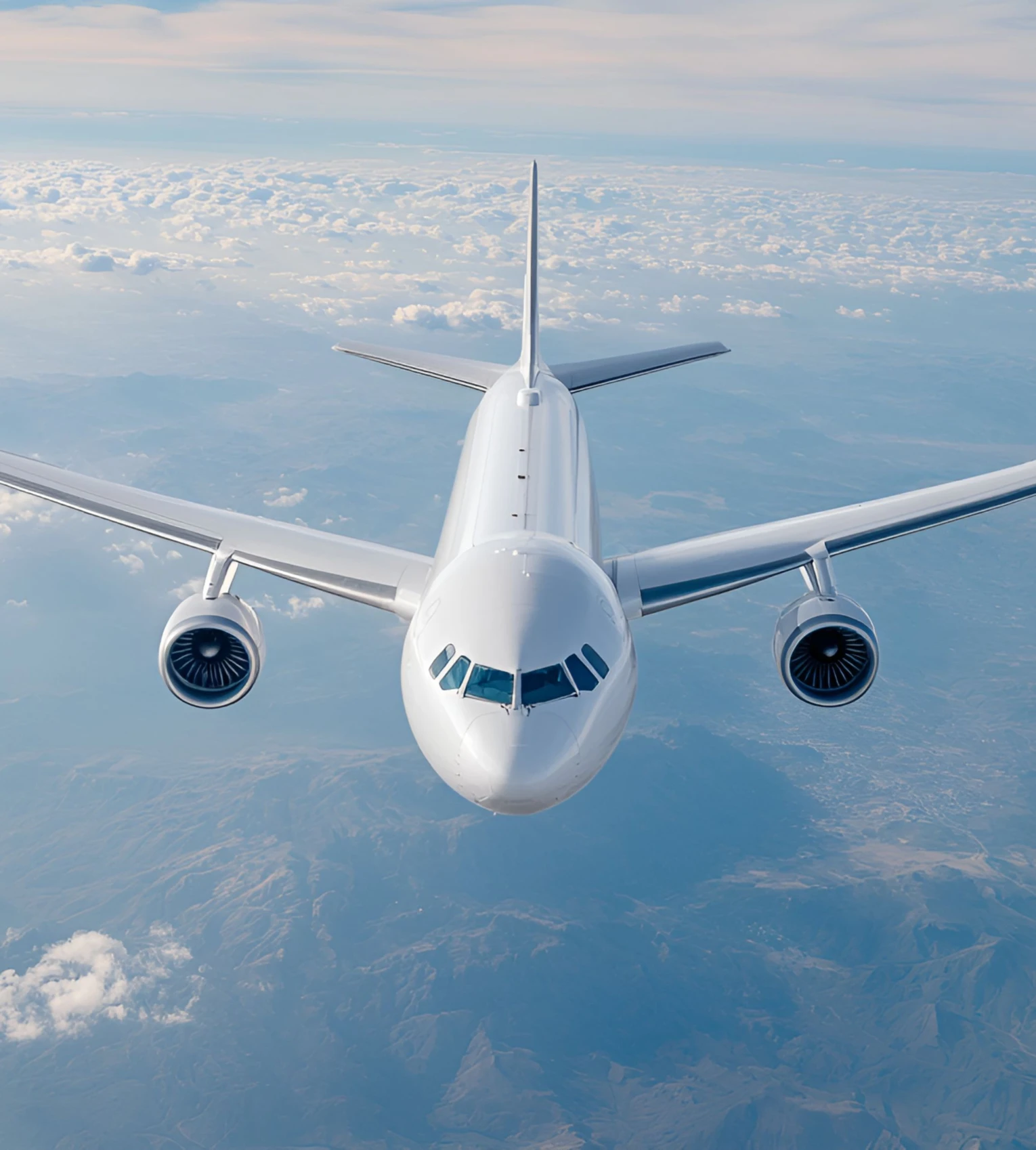
6. Flight & Air Transport
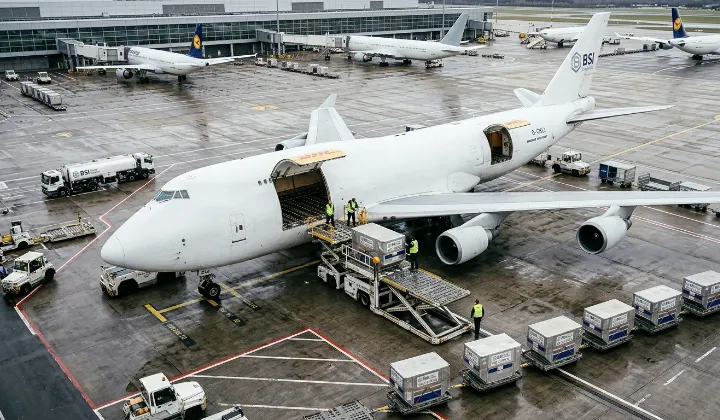
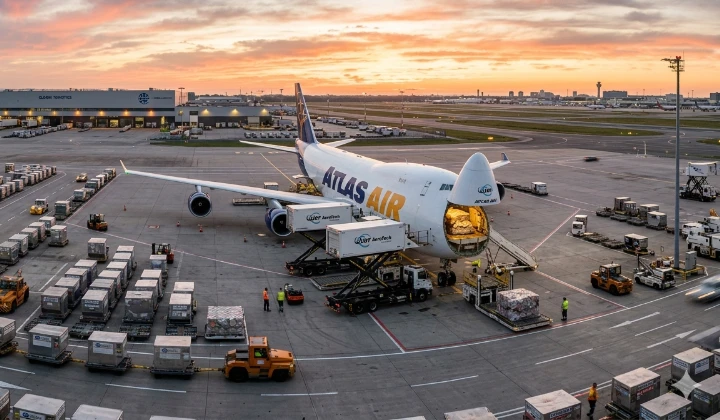
Cargo is loaded into Unit Load Devices (ULDs) and transported by air.
Typical transit times:
- Asia → North America: 2–5 days
- Asia → Europe: 2–4 days
- Asia → Southeast Asia: 1–3 days
7. Import Customs Clearance
Upon arrival, the shipment goes through import customs procedures:
- Document verification
- Duty and tax payment
- Possible inspection
👉 Depends on Incoterms:
- DDP: Seller handles duties and clearance
- DAP: Buyer handles import duties
8. Final Delivery
After clearance, cargo is released and delivered to the consignee.
👉 Last-mile delivery typically takes 1–3 days depending on location.
Air Freight Timeline (Quick Overview)
| Stage | Time Required |
|---|---|
| Booking & Preparation | 1–2 days |
| Export Customs | 0.5–1 day |
| Air Transit | 1–5 days |
| Import Customs | 1–2 days |
| Final Delivery | 1–3 days |
| Total | 3–10 days |
Key Factors That Affect Air Freight
1. Cost Factors
Air freight rates depend on:
- Chargeable weight
- Fuel surcharges
- Airport handling fees
- Seasonality (peak vs off-peak)
2. Transit Time Factors
Delivery speed can vary based on:
- Direct vs transit flights
- Customs clearance efficiency
- Destination country regulations
3. Risk Factors
Common risks include:
- Documentation errors
- Customs delays
- Improper packaging
- Flight capacity shortages
Air Freight vs Sea Freight
| Factor | Air Freight | Sea Freight |
|---|---|---|
| Speed | Fast (3–10 days) | Slow (20–40 days) |
| Cost | High | Low |
| Best for | Urgent / high-value cargo | Bulk / low-value goods |
👉 Conclusion:
Air freight is ideal for time-sensitive, high-value, or urgent shipments, while sea freight is better for cost efficiency.
FAQ: Air Freight Process
How long does air freight take?
Air freight usually takes 3–10 days depending on route, customs clearance, and final delivery.
What documents are required for air freight?
Key documents include:
- Air Waybill (AWB)
- Commercial Invoice
- Packing List
Additional certificates may be required depending on cargo type.
What is chargeable weight in air freight?
Chargeable weight is the higher of:
- Actual weight
- Volumetric weight
This determines the shipping cost.
What causes delays in air freight?
The most common causes are:
- Incorrect documentation
- Customs inspections
- Flight delays or capacity shortages
Final Summary
The air freight process includes booking, cargo preparation, customs clearance, flight transport, and final delivery, typically taking 3–10 days. The most important factors for success are accurate documentation, correct chargeable weight calculation, and smooth customs clearance.
Related Resources