Inverter Export Logistics Guide: Air & Ocean Shipping, Costs, Documents and DDP Solutions
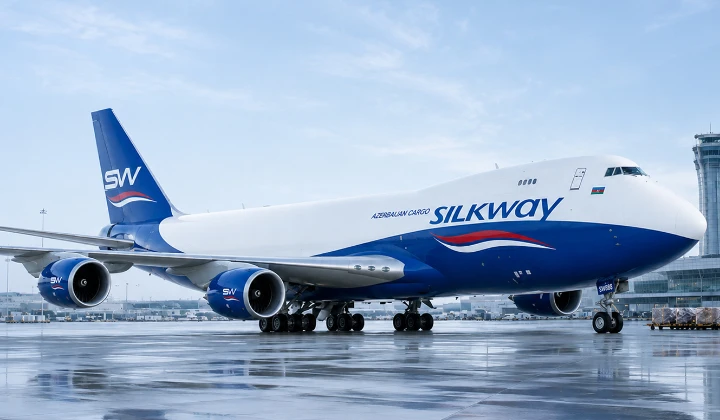
Exporting solar and energy storage inverters is not as simple as shipping standard electrical equipment.
Depending on the product configuration, battery content, origin, destination and delivery requirements, inverter shipments may require additional documentation, packaging checks, dangerous goods assessment and destination customs coordination.
For exporters, the key questions are usually straightforward:
- Can my inverter be shipped by air?
- Does it qualify as dangerous goods?
- What documents are required?
- Should I use air or ocean freight?
- How much will shipping cost?
- Can I ship under DDP?
This guide explains the main logistics considerations for international inverter shipments and how BSI Global Logistics supports air and ocean freight from China and Vietnam to global markets.
1. What Types of Inverters Can Be Shipped Internationally?
Inverters are used across residential solar, energy storage, commercial and industrial applications.
Common products include:
- Residential solar inverters
- Energy storage inverters
- Hybrid inverters
- Grid-tied inverters
- Off-grid inverters
- Microinverters
- Commercial and industrial inverters
- Inverter components and accessories
From a logistics perspective, one of the first questions is not simply what type of inverter is it?, but:
Does the product contain a lithium battery or other regulated component?
An inverter shipped without a battery may have very different transport requirements from an inverter or energy storage system containing lithium batteries.
The product configuration should therefore be reviewed before booking transportation.
2. Can Inverters Be Shipped by Air?
Yes. Many inverter products can be shipped by air, provided they meet the applicable transport, packaging and airline acceptance requirements.
Air freight is often considered when:
- The shipment is time-sensitive
- The customer needs urgent replenishment
- The shipment volume is relatively small
- A factory production delay has reduced the delivery window
- The buyer has a fixed delivery date
However, air freight is not simply a matter of booking the fastest available flight.
The shipment may need to pass:
Cargo Assessment → Documentation Review → Packaging Check → Airline Acceptance → Export Handling → Air Freight → Import Clearance → Final Delivery
If the shipment contains lithium batteries, additional dangerous goods requirements may apply.
BSI Case Example
In one BSI project, residential energy storage inverters and components were shipped from Vietnam to the USA by air under DDP door-to-door service.
The factory was facing production capacity constraints, creating a risk of delay. At the same time, the customer required delivery during the Christmas period.
BSI coordinated air freight capacity and destination trucking resources while also supporting the Class 9 DG preparation required for the shipment.
The shipment was ultimately delivered two days earlier than the customer's expected delivery date.
[Read the full inverter logistics case study →]
3. Inverter Air Freight vs. Ocean Freight
There is no single best transport mode for every inverter shipment.
The choice normally depends on volume, urgency, destination and total logistics cost.
| Factor | Air Freight | Ocean Freight |
|---|---|---|
| Transit time | Faster | Longer |
| Shipment size | Small to medium | Medium to large |
| Urgency | High | Normal |
| Cost per kg | Higher | Lower |
| Typical use | Urgent orders, replenishment | Regular or bulk shipments |
Air freight is usually suitable when:
- Delivery time is critical
- The shipment is relatively small
- The customer has an urgent order
- Production delays have reduced the available delivery window
Ocean freight is usually suitable when:
- Shipment volume is larger
- Delivery schedules are more predictable
- Cost efficiency is important
- The shipment is part of regular inventory replenishment
For example, BSI provides ocean DDP services from China to the Netherlands and India, while also handling air DDP shipments from Vietnam to the USA and India for the same customer.
The objective is not to use one transport mode for every shipment, but to match the mode to the actual supply chain requirement.
4. What Documents Are Required to Ship Inverters?
The exact documentation depends on the product, transport mode, origin, destination and whether batteries are included.
Standard shipping documents may include:
- Commercial Invoice
- Packing List
- Export Declaration
- Air Waybill or Bill of Lading
- Product specifications
- HS code information
For shipments involving lithium batteries, additional documents may be required depending on the product and applicable transport regulations, such as:
- SDS/MSDS
- UN38.3 documentation
- Battery transport documents
- Dangerous goods declaration
- Packaging and labeling information
The important point is that not every inverter shipment requires the same documentation.
Before booking, the logistics provider should review the actual product configuration rather than assuming that all inverters follow the same transport requirements.
5. Are Inverters Considered Dangerous Goods?
Not necessarily.
An inverter itself should not automatically be classified as dangerous goods simply because it is used in an energy storage system.
The assessment depends on the actual cargo.
A basic distinction is:
Inverter without lithium battery
The shipment can generally be assessed as electrical equipment under the applicable transport requirements.
Inverter or equipment containing lithium batteries
Additional requirements may apply, including battery classification, documentation, packaging, labeling and carrier acceptance.
For air freight in particular, the shipment should be reviewed before booking.
BSI's approach is to assess the cargo before departure and confirm the applicable requirements based on:
- Product configuration
- Battery type and specifications
- Packaging
- Origin airport
- Airline
- Destination
For Class 9 DG shipments, BSI can also assist with documentation review, labels, packaging checks and packaging reinforcement.
6. How Much Does It Cost to Ship an Inverter?
There is no standard per-kilogram rate for inverter shipping.
The final cost depends on several factors.
Air freight costs are typically affected by:
- Actual weight
- Dimensions
- Chargeable weight
- Origin
- Destination
- Airline and routing
- Cargo characteristics
- DG requirements
- Customs and delivery requirements
For air freight:
Chargeable Weight = Higher of Actual Weight or Volumetric Weight
For ocean freight, the cost may depend on:
- Shipment volume
- FCL or LCL
- Container type
- Origin port
- Destination port
- Port charges
- Customs clearance
- Final-mile delivery
For a DDP shipment, the total logistics cost may also include destination customs, duties and taxes and local delivery.
To obtain an accurate quotation
An exporter should normally provide:
Origin + Destination + Product Type + Number of Cartons + Gross Weight + Dimensions + Battery Information + Required Delivery Date
This allows the forwarder to assess the shipment before quoting rather than providing a rate based only on weight.
7. How Long Does Inverter Shipping Take?
Transit time depends on the origin, destination, transport mode and customs requirements.
More importantly, air freight transit time is not the same as total door-to-door delivery time.
A typical shipment involves:
Factory Pickup
↓
Export Customs
↓
Airport / Port Handling
↓
International Transportation
↓
Import Customs
↓
Local Transportation
↓
Final Delivery
For this reason, exporters should ask for a door-to-door transit estimate, rather than looking only at the flight or sailing time.
Urgent shipments may also require additional planning for airline capacity and destination trucking.
This became particularly important in BSI's Vietnam-to-USA case, where production delays created a narrow delivery window before Christmas.
8. Can Inverters Be Shipped Under DDP?
Yes, DDP can be an option for qualifying international inverter shipments, subject to the destination country's customs, tax and import requirements.
A DDP door-to-door shipment may cover:
Factory Pickup → Export Customs → Air/Ocean Freight → Import Customs → Duty & Tax Handling → Local Transportation → Final Delivery
For the customer featured in BSI's case study:
China Origin
China → Netherlands / India
Ocean Freight + DDP Door-to-Door
Vietnam Origin
Vietnam → USA / India
Air Freight + DDP Door-to-Door
DDP can reduce the number of logistics steps that the exporter needs to coordinate directly, particularly when the exporter does not have its own logistics resources at destination.
However, DDP requirements vary by country. Customs, tax, importer-of-record and local delivery arrangements should be confirmed before shipment.
9. Shipping Inverters from China vs. Vietnam
Many energy storage manufacturers now operate production facilities in more than one Asian country.
From a logistics perspective, the choice of origin can affect:
- Pickup arrangements
- Available transport capacity
- Transit time
- Freight cost
- Export procedures
- Destination routing options
Rather than treating China and Vietnam as completely separate logistics networks, exporters can evaluate each shipment based on its actual production location and delivery requirements.
BSI supports both China-origin and Vietnam-origin inverter shipments, including air and ocean freight to markets such as Europe, the USA and India.
This gives exporters more flexibility when their manufacturing footprint changes.
10. How to Choose an Inverter Logistics Partner
For inverter exporters, the right freight forwarder should provide more than a freight rate.
Before selecting a logistics provider, consider whether it can handle:
- Inverter cargo assessment
- Battery and DG requirements
- Air freight
- Ocean freight
- Export customs
- Destination customs
- DDP delivery
- Local trucking
- Urgent shipments
- Multiple origin countries
A capable logistics partner should be able to answer a basic question before booking:
What exactly is this cargo, and what does it need to move safely and compliantly from origin to final destination?
This is particularly important for energy storage products where battery content and transport classification can change the shipping process.
11. BSI Inverter Logistics Case Study
Vietnam → USA | Air Freight | DDP Door-to-Door
Cargo: Residential Energy Storage Inverters & Components
Origin: Vietnam
Destination: USA
Mode: Air Freight
Service: DDP Door-to-Door
Challenge
The Vietnam factory faced production capacity constraints, creating a risk of shipment delay. The customer also required delivery during the Christmas period.
The shipment involved Class 9 DG requirements and needed to meet Hanoi Airport's applicable shipping requirements.
BSI Solution
BSI:
- Assisted with battery-related documentation
- Checked labels and marks
- Supported packaging reinforcement
- Coordinated urgent air freight capacity
- Arranged destination trucking resources in the USA
- Managed the shipment through to final delivery
Result
The shipment was delivered two days earlier than the customer's expected delivery date.
BSI also continues to support the customer's China-origin ocean shipments to the Netherlands and India, as well as Vietnam-origin air shipments to the USA and India.
12. FAQ:Inverter Export Logistics
Q: Can inverters be shipped by air?
A: Yes. Many inverter products can be shipped by air, subject to product configuration, packaging, documentation and airline acceptance requirements. Additional requirements may apply when lithium batteries are included.
Q: Are inverters considered dangerous goods?
A: Not automatically. The classification depends on the actual product configuration, particularly whether the shipment contains lithium batteries and how the batteries are installed or packaged.
Q: What documents are required to ship inverters?
A: Common documents include a Commercial Invoice, Packing List, export documents, Air Waybill or Bill of Lading and product information. Battery shipments may require additional documentation such as SDS/MSDS and UN38.3-related documentation.
Q: How much does it cost to ship an inverter?
A: The cost depends on weight, dimensions, chargeable weight, origin, destination, transport mode, airline or shipping line, cargo characteristics, DG requirements and delivery terms.
Q: How long does inverter shipping take?
A: Transit time varies by route and transport mode. Air freight is generally faster than ocean freight, but total door-to-door transit also includes pickup, export handling, customs clearance and final delivery.
Q: Can inverters be shipped by DDP?
A: Yes, DDP may be available depending on the destination country and shipment requirements. A DDP solution can include international transportation, destination customs, duties and taxes and final delivery.
Q: Can BSI ship inverters from China and Vietnam?
A: Yes. BSI supports inverter and energy storage equipment shipments from China and Vietnam using air and ocean freight, including DDP door-to-door solutions to markets such as Europe, the USA and India.
Q: Need to Ship Inverters Internationally?
Before requesting a quotation, prepare:
- Origin
- Destination
- Product type
- Number of cartons
- Gross weight
- Dimensions
- Battery information
- Required delivery date
BSI can assess the cargo and recommend an appropriate air freight, ocean freight or DDP solution based on your shipment requirements.
Get an Inverter Shipping Quote →
Related Resources