What Is DAP Shipping? Import Duties, Customs & Practical Guide
When you ship goods internationally, choosing the right Incoterms rule can save you from unexpected costs, delays, and disputes. DAP (Delivered at Place) is one of the most widely used terms for B2B and commercial shipments.
In this guide, we explain what is DAP shipping, break down DAP Incoterms explained simply, answer who pays duty in DAP, and show you exactly how responsibilities, risks, and customs work for real importers.
1 . What Is DAP Shipping?
DAP (Delivered at Place) is an Incoterms® 2020 rule that means:
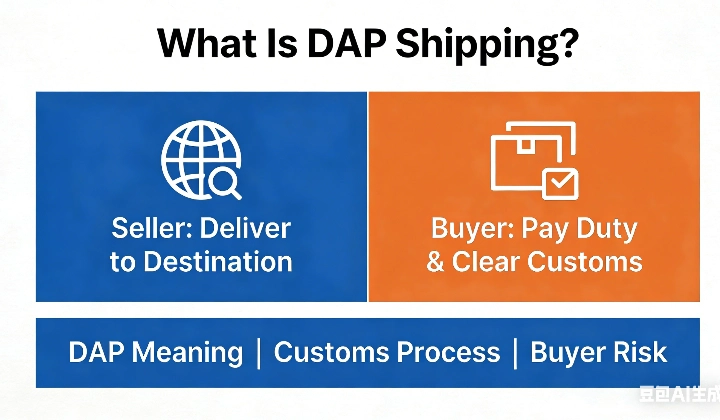
The seller delivers the goods to the named destination you agree on (like your warehouse, port, or factory) and makes them ready for unloading.
Once the goods arrive at the destination and are ready to unload:
- Risk moves from the seller to the buyer
- The buyer takes over customs, duties, and taxes
- This is the simplest way to understand DAP Incoterms explained:
- Seller: delivers goods to your door
- Buyer: handles import customs and pays duties
2. DAP Responsibility Map
To avoid confusion, here is a clear DAP responsibility breakdown:
Seller Responsibilities
- Deliver goods to the agreed destination
- Pay for international freight and transport
- Handle export clearance in the origin country
- Bear risk until goods arrive at destination
Buyer Responsibilities
- Unload the goods from the vehicle
- Complete import customs clearance
- Pay all import duties, taxes, and local fees
- Bear risk after goods arrive at destination
- This answers the most common question:
Who pays duty in DAP?
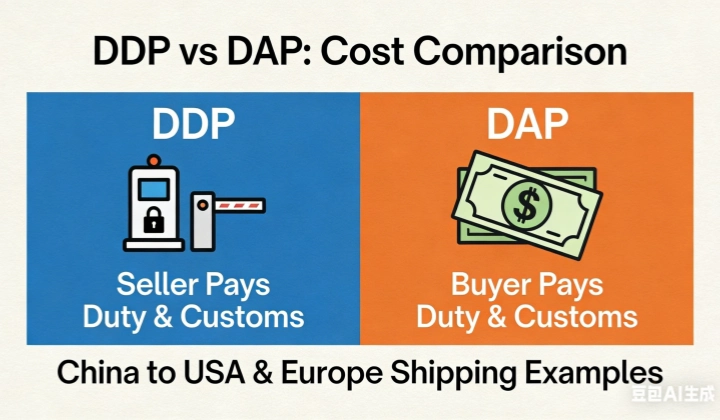
→ The buyer pays duty and import taxes under DAP shipping.
3. DAP Customs Clearance Workflow
Here is the simple customs workflow for DAP shipments:
- Seller ships goods to your destination
- Goods arrive at the destination port/warehouse
- Buyer arranges import customs clearance
- Buyer pays duties, VAT, and customs fees
- Customs releases the goods
- Buyer takes delivery
- Under DAP, the seller does not clear goods into your country.
- You (the importer) are the Importer of Record.
4. Buyer Risk Exposure in DAP Shipping
As a buyer, you face these main risks under DAP:
- Unexpected duty costsYou must know the duty rate before you buy, or you will pay extra.
- Customs delaysIf your paperwork is wrong, goods get stuck at customs.
- Storage and detention feesThese charges add up quickly if clearance is slow.
- Compliance riskYou are responsible for correct HS codes, licenses, and documents.
- This is why importers must understand what is DAP shipping before agreeing to it.
5. When DAP Becomes Problematic
DAP works great for most B2B shipments, but it can become problematic if:
- You are a new importer with no customs experience
- You do not know how to calculate duties and taxes
- You do not have a licensed customs broker
- The goods need special import licenses or certificates
- The seller provides incorrect shipping documents
- In these situations, DAP can lead to extra costs and long delays.
5. B2B Use Case Example
Here is a real-world B2B example for DAP shipping:
- Buyer: US importer buying machinery from China
- Term: DAP to buyer’s warehouse in Texas
- Seller: Ships goods from China to Texas
- Arrival: Goods reach Texas warehouse
- Action: Buyer pays import duty and arranges customs
- Result: Fast, clear, and predictable B2B shipment
- This is why DAP is the top choice for professional importers.
6. Final Summary
- What is DAP shipping?
Seller delivers goods to your destination; you handle customs and duties.
- DAP Incoterms explained simply:
Seller delivers → Buyer clears customs & pays duty.
- Who pays duty in DAP?
The buyer pays all import duties and taxes.
If you are an experienced importer, DAP is transparent, cost-effective, and easy to manage.
Related Resources