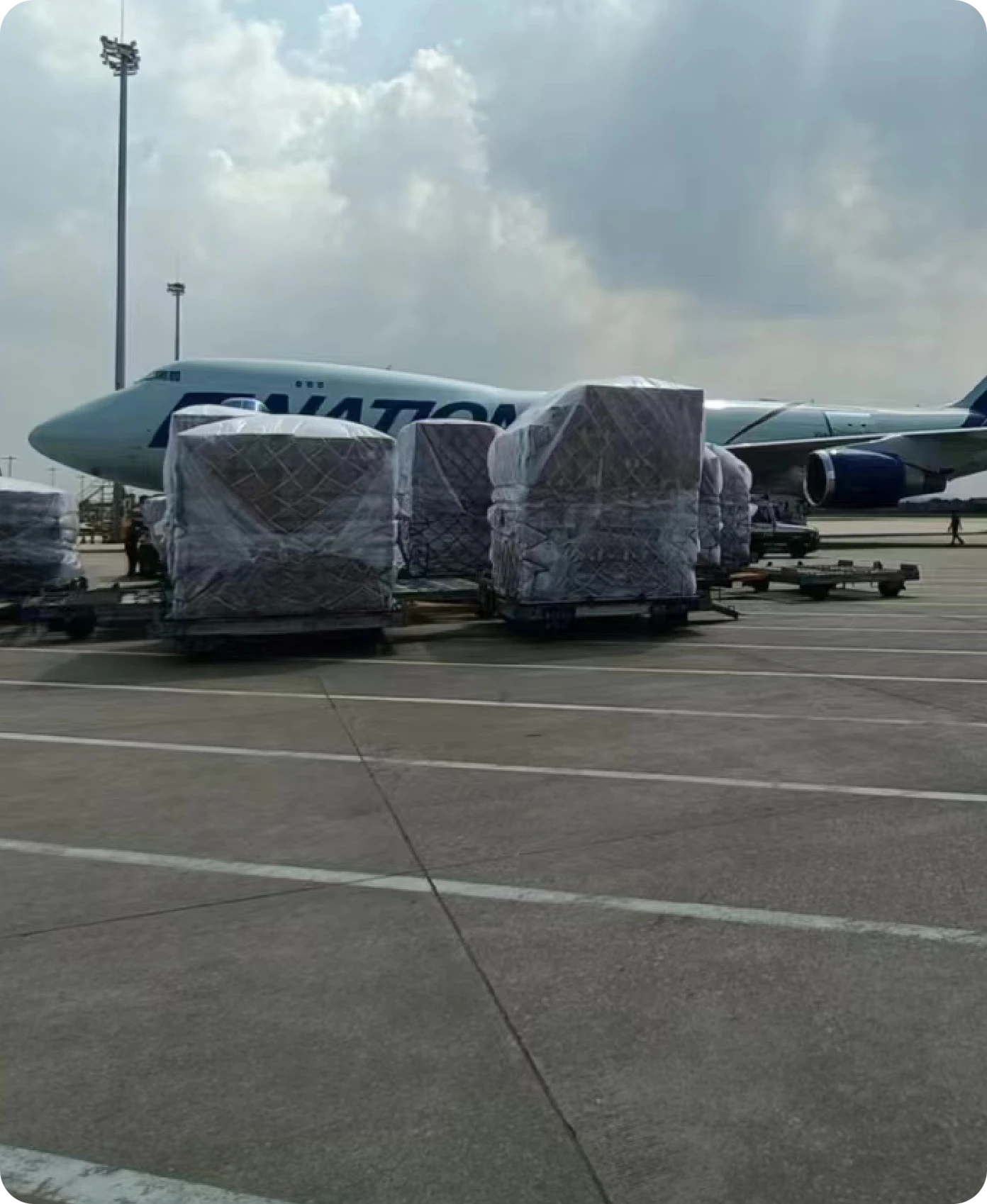
Air Freight Rates Surge Globally as Middle East Conflict Disrupts Cargo Capacity
Key Takeaways
- China → Europe air freight rates up 75% (≈ $4.8/kg)
- China → USA rates up 20% (≈ $7/kg)
- Global air cargo capacity reduced by 12%–20%
- Transit times extended by 1–3 days
- Aviation fuel costs surged by over 90%

Air Cargo Market Faces Sharp Disruptions
Global air freight rates have risen sharply since late February 2026, as escalating Middle East conflicts disrupt key aviation routes, reduce cargo capacity, and drive fuel costs higher.
Major air cargo hubs in the region, including Dubai, Doha, and Abu Dhabi, have faced operational constraints, forcing airlines to suspend or reroute flights. Industry data indicates that 12% to 20% of global air cargo capacity has been temporarily removed from the market.
Airlines are increasingly avoiding Middle East airspace, rerouting flights via longer northern or southern corridors. This has extended flight times by 1 to 3 hours, reduced operational efficiency, and increased fuel consumption.
Explore : Shipping from China to Saudi Arabia: Air, Sea Freight Costs & Best Options (2026 Guide)
Fuel Costs and Surcharges Drive Price Increases
The disruption to energy supply routes, particularly through the Strait of Hormuz, has pushed oil prices significantly higher. Brent crude has exceeded $104 per barrel, while aviation fuel prices have surged by more than 90% compared to pre-conflict levels.
In response, multiple carriers have introduced or sharply increased fuel and war risk surcharges. Some airlines in Asia have raised fuel surcharges by up to four times, passing costs directly to shippers.
China-Origin Routes See Significant Rate Increases
China-origin air freight markets have experienced notable price increases across major global routes.
- China → Europe: Spot rates have exceeded $4.8/kg, up more than 75% from pre-conflict levels. Capacity shortages have led to booking delays of 3–7 days, with frequent flight cancellations and transshipment disruptions.
- China → USA: Rates have risen above $7/kg, marking an increase of approximately 20%, driven by strong demand from e-commerce and high-value electronics shipments.
- Regional routes: Fuel surcharges across Asia have increased by 15%–100%, with China–Southeast Asia routes seeing the most volatility.
Meanwhile, capacity on Middle East routes has dropped by over 60%, with several carriers suspending cargo flights to key destinations.
Southeast Asia Shipments Shift Toward China
Rising fuel costs have placed significant pressure on Southeast Asian exporters, many of whom rely heavily on Middle Eastern energy imports.
Countries such as Vietnam and the Philippines, which import the majority of their crude oil from the Gulf region, have seen sharp increases in fuel prices. This has driven up air freight costs and reduced the competitiveness of Southeast Asia-origin shipments.
As a result, a growing volume of cargo is being redirected to China for export. Industry sources report that more than 15% of shipments previously departing from Southeast Asia are now routed through major Chinese air cargo hubs, including those in the Pearl River Delta and Yangtze River Delta regions.
China’s relatively stable fuel supply, strong freighter capacity, and established direct routes to Europe and North America have made it a preferred alternative under current conditions.
👉 Explore : Southeast Asia to USA & Europe Shipping: Truck + Air Solution via Shenzhen (2026 Guide)
Market Outlook: Volatility Likely to Continue
Industry analysts expect continued volatility in the global air freight market if geopolitical tensions persist.
Further disruptions to Middle East airspace or energy supply could sustain elevated fuel costs and limit capacity recovery in the near term. As a result, air freight rates are likely to remain high, with ongoing fluctuations in transit times and service reliability.
The current situation is also accelerating structural shifts in global air cargo networks, with reduced reliance on Middle Eastern transit hubs and increased importance of direct long-haul routes from East Asia.
Industry Advisory
Logistics experts recommend that shippers take proactive measures to manage ongoing disruptions:
- Secure cargo space in advance
- Diversify routing strategies
- Monitor surcharge changes closely
- Consider multimodal transport options where feasible
BSI Global Logistics advises clients to plan shipments earlier and adopt flexible logistics strategies to mitigate risks associated with continued market instability.
Quick Answers About Air Freight Rates in 2026(FAQ)
1. Why are air freight rates increasing in 2026?
Air freight rates are rising mainly due to the ongoing Middle East conflict, which has disrupted key airspace routes and reduced global cargo capacity by approximately 12%–20%. At the same time, aviation fuel costs have surged by over 90%, significantly increasing airline operating costs and pushing freight prices higher.
2. How much have air freight rates from China increased?
As of March 2026, air freight rates from China to Europe have increased by more than 75%, reaching around $4.8 per kg. Rates from China to the United States have risen by about 20%, exceeding $7 per kg, depending on route and capacity availability.
3. Are there delays in international air cargo shipments?
Yes. Due to flight rerouting and reduced capacity, transit times have been extended by approximately 1 to 3 days. In some cases, booking delays of 3–7 days may also occur due to limited cargo space.
4. Why are shipments shifting from Southeast Asia to China?
Rising fuel costs and limited air cargo capacity in Southeast Asia have made exports less competitive. As a result, many shippers are redirecting cargo through China, where there is more stable capacity, better fuel supply, and well-established direct routes to Europe and North America.
Related Resources