China–US Freight Rates Surge in Q2 2026: Why Costs Rose and Why July May Bring Relief
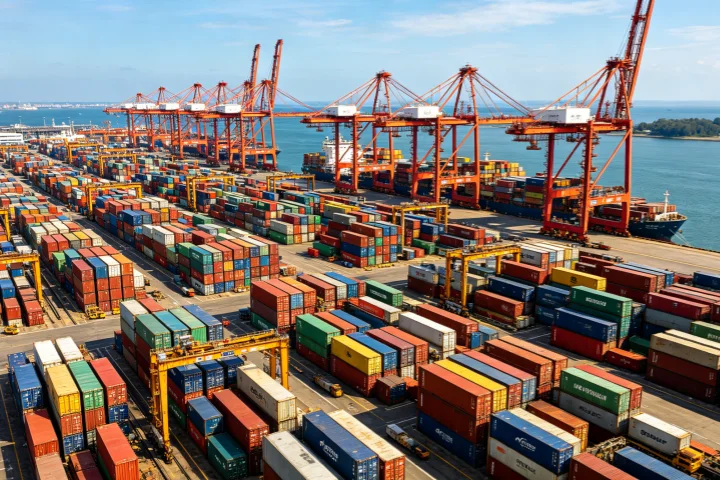
Freight rates from China to the United States climbed sharply throughout the second quarter of 2026, creating new challenges for importers, retailers, e-commerce sellers, and brands that rely on Asian sourcing.
Ocean freight rates on major trans-Pacific routes increased significantly compared with April levels, while air freight capacity also tightened. As transportation costs rise, businesses are facing increased pressure on inventory planning, landed costs, and supply chain reliability.
While the recent surge has attracted considerable market attention, there are growing signs that rates could stabilize—or even soften slightly—in July.
Key Takeaways
- China to USA shipping rates increased significantly during Q2 2026.
- Strong replenishment demand from U.S. importers has boosted cargo volumes.
- Tariff-related shipping rushes accelerated short-term demand.
- Capacity constraints continue to impact global ocean freight networks.
- Logistics demand linked to the 2026 FIFA World Cup is adding pressure to North American supply chains.
- Air freight rates have also increased, reducing alternative shipping options.
- Freight rates may ease in July as some temporary demand drivers begin to fade.
- Importers should continue planning early, as rates are expected to remain above historical averages.
Why Are China to USA Shipping Rates Rising?
Several factors have combined to push transportation costs higher across both ocean and air freight markets.
Stronger U.S. Inventory Replenishment
After extended inventory corrections over the past two years, many U.S. importers have returned to active purchasing cycles.
Demand has increased across multiple sectors, including:
- Consumer goods
- Home furnishings
- Electronics
- Outdoor products
- Automotive parts
- Seasonal merchandise
As retailers prepare for the second half of the year, shipping demand has accelerated across major China–USA trade lanes.
Tariff-Related Shipping Rushes
Recent trade policy developments have encouraged many importers to move cargo earlier than originally planned.
To reduce exposure to potential tariff changes and regulatory uncertainty, companies have accelerated shipments, creating a temporary surge in freight demand.
This front-loading effect has contributed significantly to tighter vessel space and higher freight rates during Q2.
Ongoing Capacity Constraints
Although global container fleets continue to expand, effective capacity remains constrained.
Longer transit times caused by Red Sea disruptions continue to affect vessel schedules and fleet utilization. In addition, congestion at certain logistics hubs continues to reduce overall network efficiency.
As a result, available capacity has not increased at the same pace as demand.
Carrier Surcharges and Rising Transportation Costs
Many carriers have introduced or increased Peak Season Surcharges (PSS), General Rate Increases (GRI), and other operational fees.
These additional charges have become a major contributor to higher landed costs for importers.
Air Freight Is Also Becoming More Expensive
When ocean freight becomes congested, importers often turn to air freight for urgent shipments.
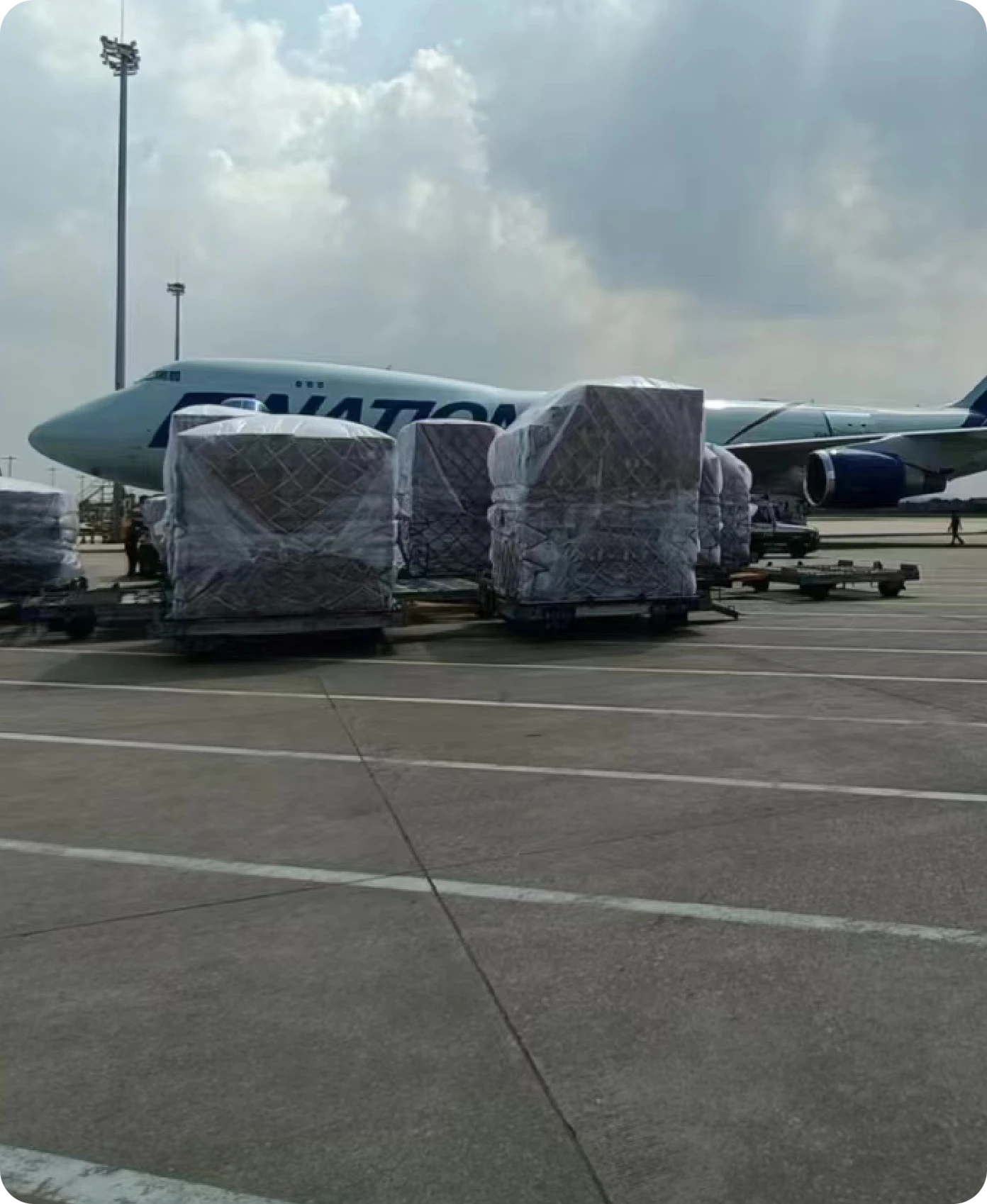
However, air cargo demand between China and the United States has also strengthened, resulting in higher rates and tighter capacity.
With both ocean and air freight markets under pressure, businesses have fewer low-cost alternatives available.
How the 2026 FIFA World Cup Is Affecting Logistics Demand
One factor that receives less attention is the impact of the 2026 FIFA World Cup.
Hosted by the United States, Canada, and Mexico, the tournament has generated additional logistics activity across North America.
Preparations involve the movement of:
- Event equipment
- Broadcasting systems
- Promotional materials
- Retail merchandise
- Temporary infrastructure
- Warehousing and distribution resources
Many brands are also building inventory ahead of World Cup-related marketing campaigns and consumer demand.
The World Cup is not the primary driver behind rising freight rates, but it is contributing to increased competition for logistics resources throughout North America.
What Does This Mean for U.S. Importers?
For importers, the impact goes beyond freight costs alone.
Higher Landed Costs
Transportation remains a key component of total product cost.
For lower-margin categories such as furniture, home goods, and consumer products, rising freight expenses can directly affect profitability.
Longer Planning Cycles
Booking lead times have increased, making supply chain planning more important than ever.
Companies that wait until the last minute may face limited capacity and higher transportation costs.
Increased Inventory Risk
Longer and less predictable transit times increase the risk of stock shortages, especially ahead of peak sales periods.
Greater Pressure on Cash Flow
Higher freight costs and longer inventory cycles tie up working capital and create additional financial pressure.
Will Freight Rates Fall in July?
Many market reports suggest rates could continue rising through the summer.
However, our view is more balanced.
Several factors indicate that the market may experience a short-term correction during July.
Front-Loaded Demand Is Starting to Ease
Much of the recent rate increase was driven by importers accelerating shipments ahead of potential policy changes.
As this cargo moves through the system, demand growth may begin to normalize.
Market Sentiment Is Becoming More Stable
Some of the booking activity seen in June was driven by concerns over future rate increases.
As businesses complete their near-term inventory plans, booking pressure may gradually decline.
Additional Capacity Is Returning
Certain carriers have started adjusting capacity deployment and reintroducing services that were previously reduced.
This could help improve supply-demand balance on selected trade lanes.
BSI Market Outlook
While a modest decline in freight rates is possible during July, we do not expect a return to the low-rate environment seen in 2025.
Several factors are likely to continue supporting the market:
- Stable U.S. consumer demand
- Ongoing geopolitical uncertainty
- Continued Red Sea disruptions
- Upcoming peak-season inventory buildup
- World Cup-related logistics activity across North America
The most likely scenario is a transition from rapid rate increases to a period of elevated but more stable pricing.
What Importers Should Do Now
Book Earlier
Secure space as early as possible, particularly for shipments planned for late Q3 and Q4.
Review Inventory Strategy
Reassess safety stock levels and replenishment schedules to reduce supply chain risk.
Diversify Transportation Options
Consider a mix of ocean freight, air freight, and expedited solutions based on product requirements.
Utilize Strategic Warehousing
Forward-positioning inventory in the United States can improve responsiveness and reduce future disruptions.
Work With Reliable Logistics Partners
Stable capacity access, market visibility, and flexible transportation solutions become increasingly valuable during volatile market conditions.
Final Thoughts
The recent increase in China to USA shipping costs reflects a combination of stronger demand, policy-driven shipping activity, capacity constraints, and broader supply chain pressures.
Although freight rates may soften during July, importers should not expect a rapid return to historical lows. Market conditions remain dynamic, and proactive planning will continue to be critical throughout the remainder of 2026.
Businesses that secure capacity early, maintain flexible logistics strategies, and build resilient supply chains will be better positioned to navigate ongoing market volatility.
Related Resources