Lufthansa Grounds 4 A321 Freighters Amid Rising Fuel Costs and Operational Pressures
Executive Summary
Lufthansa Cargo has withdrawn four A321P2F freighters from service since mid-April 2026, as part of broader cost-control measures driven by rising jet fuel prices and operational challenges. While the impact is primarily regional, the move reflects increasing pressure on short-haul air cargo economics across Europe.
What Happened
Lufthansa Cargo has suspended operations of its four Airbus A321P2F freighters, which have been inactive since mid-April 2026.
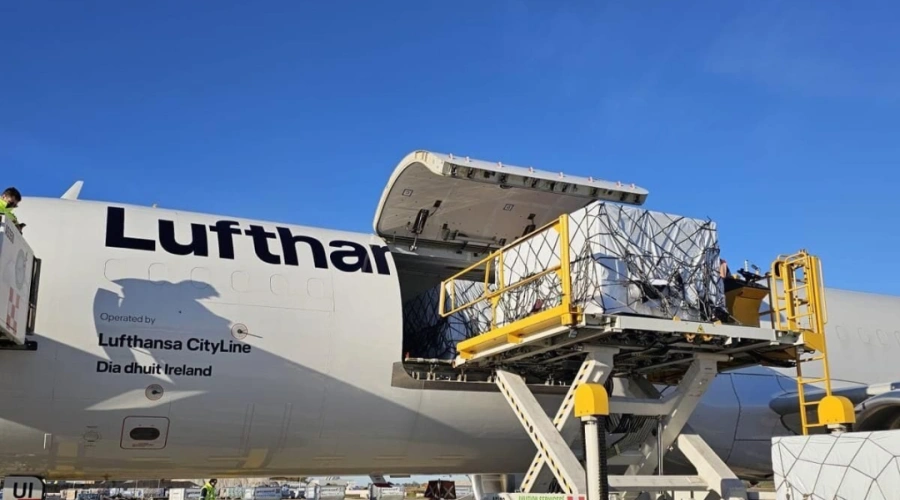
These aircraft were primarily deployed on intra-European and North African routes, supporting time-sensitive shipments and cross-border e-commerce logistics.
According to industry reports, the suspension is linked to wider restructuring measures within the Lufthansa Group, including capacity reductions in its regional operations.
Why It Happened
1. Rising Jet Fuel Costs
Elevated and volatile jet fuel prices continue to pressure airline profitability, particularly on short-haul routes where margins are structurally lower.
Lufthansa has already taken broader action to mitigate cost pressures, including reducing flight frequencies and adjusting capacity across its network.
2. Operational and Labor Constraints
Ongoing labor-related challenges and restructuring within Lufthansa’s regional subsidiary operations have also contributed to the suspension.
Notably, Lufthansa has been scaling back activities associated with its regional carrier operations, which play a role in operating these aircraft.
Fleet and Operational Context
Lufthansa Cargo introduced the A321P2F freighter program in 2022 to strengthen its regional cargo network.
Key characteristics include:
- Payload capacity of approximately 28 tons
- Range of approximately 3,500 kilometers
- Primary hub at Frankfurt Airport
- Operated by Lufthansa CityLine under a wet lease structure
These aircraft were specifically designed to serve short- and medium-haul routes, with a strong focus on e-commerce-driven cargo demand.
Market Impact
Regional Impact
The removal of four narrow-body freighters is expected to have a limited but noticeable impact on regional air cargo capacity, particularly within Europe.
Short-haul routes serving e-commerce and express cargo flows may experience:
- Reduced scheduling flexibility
- Slight capacity tightening
- Potential short-term rate fluctuations
Global Impact
At the global level, the effect remains minimal. Long-haul cargo capacity—primarily operated by wide-body freighters and passenger aircraft bellyhold capacity—remains largely unaffected.
Broader Industry Context
The suspension of these aircraft is not an isolated event.
Lufthansa Group has implemented wider cost-control measures, including:
- Reductions in short-haul flight operations
- Adjustments to regional fleet utilization
- Strategic responses to fuel price volatility
Industry-wide, airlines are increasingly prioritizing profitability and cost efficiency over capacity expansion, particularly in short-haul markets.
What This Means for Shippers
For cargo owners and logistics planners operating in Europe, the impact is manageable but requires attention:
- Book shipments earlier for time-sensitive cargo
- Maintain flexibility in carrier selection
- Consider multimodal alternatives where feasible
- Monitor short-haul rate movements closely
The key risk is not a major capacity shortage, but reduced operational flexibility and increased variability in transit planning.
Key Takeaway
The grounding of Lufthansa’s A321 freighters represents a localized capacity adjustment rather than a global disruption, but it highlights a broader shift: rising costs are forcing airlines to reassess the viability of short-haul cargo operations.
Sources
- Reuters – reporting on Lufthansa cost measures and fuel-related capacity reductions
- The Loadstar – coverage of A321 freighter withdrawal
- Air Cargo News – analysis of Lufthansa Cargo fleet adjustments
Final Perspective
Although the withdrawal of four aircraft may appear limited in scale, it reflects a deeper structural shift in the air cargo industry. As cost pressures intensify, airlines are becoming more selective in how capacity is deployed—especially in short-haul markets where margins are thin.
For shippers, success in this environment will depend on proactive planning, flexibility, and access to stable logistics partners.
Need reliable air cargo capacity in a volatile market?
BSI Global Logistics provides stable, flexible air freight solutions across Europe and global trade lanes. Contact our team to secure capacity and optimize your logistics strategy.
Related Resources